"Rental rates rarely include delivery or fuel. Here's what those charges really cost and the one question that makes quotes honest."
Related reading: How to Choose the Best Lift for Warehouse Data Cabling, Choosing the Right Scissor Lift for 35-Foot Ceilings (2026), and How to Rent the Right Equipment for Warehouse Cabling 2026.


Get the latest GoDizel content delivered straight to your inbox
Need to install data cabling? Follow our 5-step guide to choosing the right electric scissor lift for your warehouse network wiring project in 2026.
Don't get stuck in the 32-foot trap. Learn why a 35-foot ceiling requires a 40-foot scissor lift for safety and reach in 2026. Expert guide to lift sizing.
Here's a phone call I've heard a hundred versions of. A renter gets quoted $1,200 for a week with a skid steer, budgets exactly $1,200, and then the invoice shows up at $1,560. Delivery. Pickup. Refueling. A waiver they don't remember agreeing to. The renter feels tricked, the rental company feels like they answered every question they were asked, and the truth sits somewhere in the middle: nobody asked about the out-the-door price.
So let's answer it plainly. No, rental rates almost never include delivery or fuel. Here's how each one actually works and how to budget so the invoice never surprises you again.
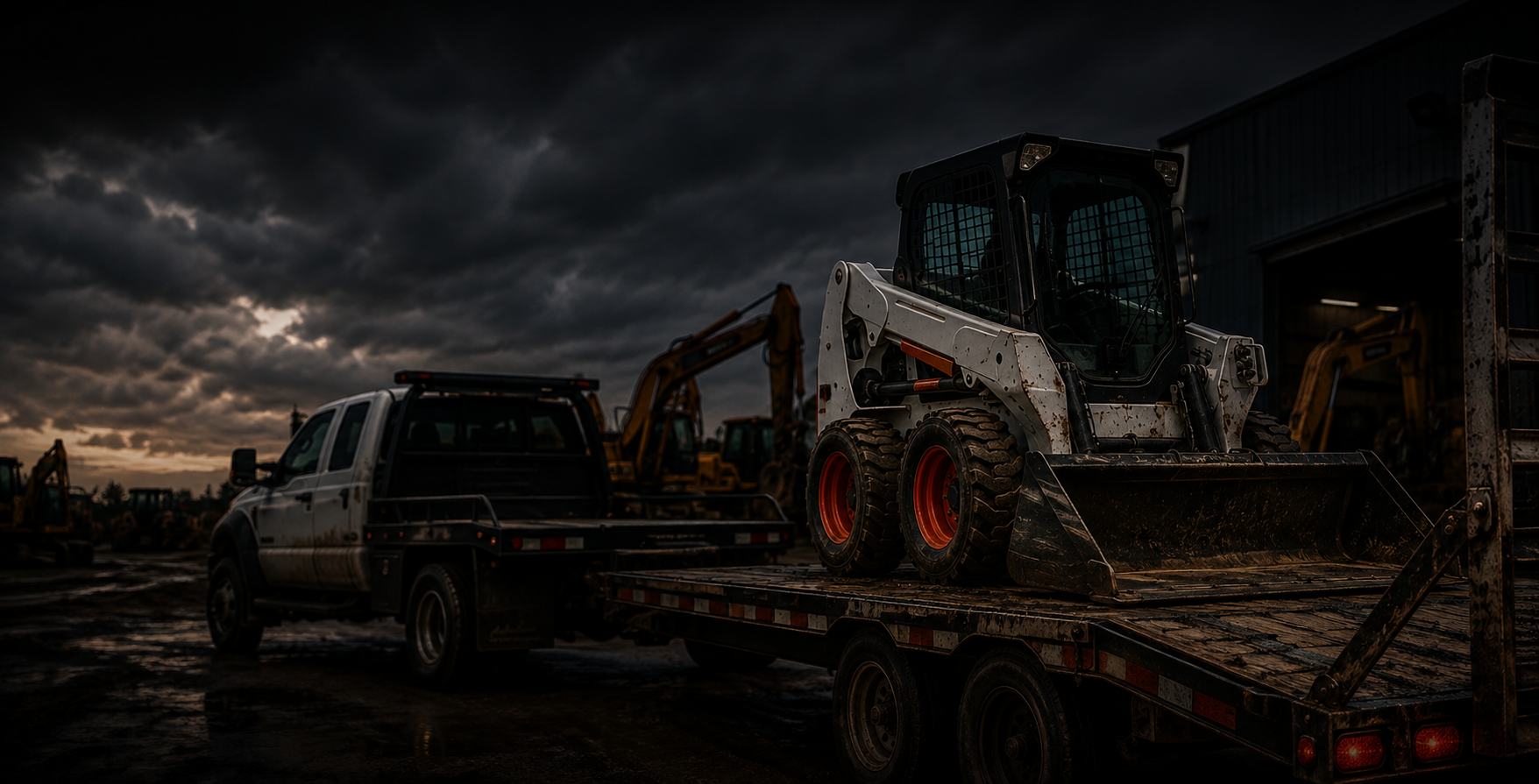
The quoted rental rate covers the machine sitting in the rental yard. Getting it to your site is a separate charge, typically $75 to $200 each way for compact equipment within a normal service radius, and more for large machines that need a lowboy trailer or long hauls outside the metro. In sprawling markets like Houston or across central Florida, distance-based delivery pricing adds up fast, so the same machine can cost meaningfully different totals depending on which supplier's yard is closer to your site.
Two things renters miss. First, delivery and pickup are usually two separate charges, so mentally double whatever number they tell you. Second, you can sometimes skip the fee entirely by towing compact equipment yourself, but check the trailer, hitch, and vehicle ratings before you volunteer for that. A delivery fee is cheaper than a towing mishap.
My advice: unless you tow equipment regularly, pay for delivery, and just make sure it's in the quote from the start.
Equipment fuel works exactly like a rental car. The machine arrives with a full tank, and you're expected to return it full. Return it partially empty and the rental company refuels it at their rate, which is typically well above pump price, sometimes double.
On a small machine that's a $40 annoyance. On a large diesel machine with a 50-gallon tank returned near empty, it's a triple-digit line item that was completely avoidable. Topping off a machine before pickup is the easiest money you'll ever save.
Note that fuel burned during the rental is always yours to pay, waiver or no waiver. A machine working full days can burn through more diesel than first-time renters expect, so if you're budgeting a long rental, ask the supplier for typical fuel consumption per hour for that machine class. Good suppliers know these numbers cold.
While we're being honest about the gap between quote and invoice, a few other lines commonly appear. The damage waiver adds 10 to 15 percent unless you decline it with proof of your own insurance. Environmental fees add a small percentage. Sales tax applies in both Texas and Florida. And meter overage charges appear if you run the machine beyond the included hours.
None of these are hidden, exactly. They're just not in the number that gets quoted first.
When you're comparing rental companies, ask each one the same question: "What is my total out-the-door cost, delivered to my site and picked up, with all fees and taxes?" The moment you ask it, quotes become comparable and the cheapest-sounding company sometimes stops being the cheapest.
A $1,100 quote with $180 delivery each way is more expensive than a $1,300 quote with free delivery in the zone. You only see that when you compare totals.
Rental rates cover the machine, not the trip to your site and not the diesel in the tank. Budget for delivery both ways, return every machine full, and always compare out-the-door totals instead of base rates.
Dizel makes that comparison easy, showing you rental options and availability from suppliers near your site so the real total is clear before you book.

