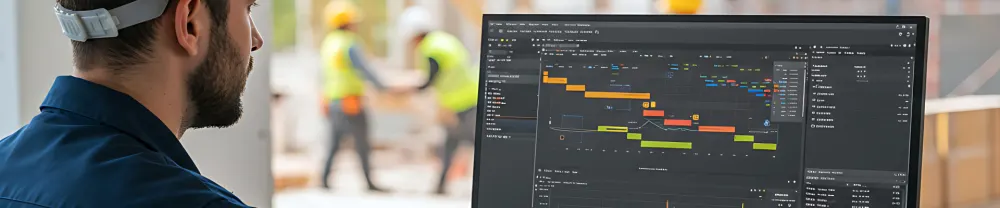
"Know your 3 numbers by Friday: schedule, budget, equipment. The simple PM ritual that stops problems before they start. 5 minutes changes everything."
Related reading: Choosing Between a Scissor Lift and a Boom Lift for Your 2026 Project, How to Rent the Right Lift for Warehouse Security Camera Installation, and How to Streamline Equipment Procurement for Multiple Job Sites Without Managing Separate Rental Agreements.


Get the latest GoDizel content delivered straight to your inbox
Struggling to choose between a scissor lift and a boom lift? Learn the key differences to pick the perfect aerial lift for your 2026 construction project.
Learn how to rent the right lift for warehouse security camera installation in 2026. Compare scissor and boom lifts to meet OSHA safety requirements.
Your superintendent calls Friday afternoon: "We're ready to pour Monday morning, do we have everything we need?"
Can you answer with confidence?
The PMs who sleep well on weekends know three numbers cold, and they know them before problems explode.
The Friday Scorecard That Separates Pros from Chaos
Every Friday before you leave, you should be able to answer three questions without digging through spreadsheets:
1. Are we on schedule?
2. Are we on budget?
3. Do we have the equipment we need to stay on track?
These aren't just metrics, they're the vital signs of your project. And here's what the best PMs understand: these three numbers tell a story together.
Miss your schedule? Your budget follows. Run out of equipment? Both spiral. You're the one holding it together.
Most PMs obsess over schedule and budget. But equipment? That's the gap, and it's killing projects.
You can have the perfect schedule and healthy budget, but if your excavator is stuck on another job or you're waiting three days for a concrete pump, none of it matters. Equipment availability is the hidden variable that turns green projects red.
Field data shows equipment delays contribute to 23% of schedule overruns. Not weather. Not permits. Equipment, the stuff you assumed would "just be there" or you can just get it there quickly.
When you add "Do we have the equipment we need?" to your Friday routine, you're not just tracking, you're preventing. You're catching the shortage before your crew shows up Monday with nothing to do.
Here's how the pros do it:
Every Friday morning (not 4 PM when you're fried), pull up your dashboard. Five minutes. Three questions.
Schedule Check: Look at next week's critical path. Don't just check if you're on schedule today, check if you're positioned to stay on schedule through next Friday.
Budget Pulse: Compare actual costs to projected, but watch your burn rate. Are you consuming budget faster than you're completing work?
Pro tip: Spiking equipment costs usually mean poor planning, rush charges, last-minute rentals, keeping machines longer than needed.
Equipment Forward-Look: This is where most PMs fail. They check if equipment is on site now, but not if it'll be there for next week's scope.
Match upcoming activities against your equipment calendar:
What do we need for Monday's pour?
When does the excavator rental end vs. when we finish excavation?
Do we have the right attachments, not just the base machine?
Best practice: Maintain a rolling two-week equipment forecast. Anything needed in 14 days should be locked in.
Great PMs understand these three numbers aren't independent, they're chapters in the same story.
The winning narrative:
"We're three days ahead on foundation work. Running 4% under budget on materials. Framing equipment is staged for Tuesday, crane, lifts, compaction gear confirmed. We're not just on track, we're positioned to stay on track."
The disaster narrative:
"We're two days behind because the skid steer wasn't available. Went 12% over budget on a rush rental. Now we're pushing framing, which means extending equipment we already have on site, blowing the budget further."
See the cascade? One missing number triggers the domino effect.
Make It Public: Share Your Scorecard
Here's a game-changer: Don't keep these numbers to yourself.
"Weekly Status:
✅ Schedule: 2 days ahead
✅ Budget: 3% under
✅ Equipment: All needs covered through next Friday"
Why? Behavioral residue. When people see you tracking consistently, they adapt. Subs confirm equipment needs earlier. Suppliers ask "What do you need for next week?" instead of waiting for emergency calls. Your client sees control, which builds trust (and referrals).
You're creating a culture of accountability. And people talk about PMs who run tight projects. Plus communication is the basis of letting everyone know you give a sh!t.
Anchor your Friday scorecard to something you already do.
Coffee = Equipment check.
Make it automatic. Make it a ritual. Soon you won't think about it, you'll just do it. And you'll be ahead of problems instead of reacting to them.
Real Takeaways You Can Use Monday
1. Create Your Three-Question Template
Build a simple tracker (spreadsheet, note, or app) with these fields:
Week of: [Date]
Schedule status: [Days ahead/behind]
Budget variance: [% over/under]
Equipment needs next 2 weeks: [List with confirm dates]
2. Set a Recurring Friday Calendar Block
9 AM Friday. 15 minutes. Non-negotiable. Title it "Project Pulse Check."
3. Build Your Equipment Forecast
List every major activity in your next 30 days. Next to each, write required equipment and rental period. Update weekly.
4. Share Your First Scorecard This Friday
Even if it's rough. Send it to your team. Watch how fast they start thinking ahead with you.
5. Track One Number: Equipment-Related Delays
For the next month, count how many times equipment availability impacts your schedule. You'll be shocked, and motivated to fix it.
No time like NOW to start a new routine, start this Friday
Grab your coffee. Open your project files.
Ask three questions:
Are we on schedule for next week?
Are we on budget?
Do we have the equipment we need to stay on track?
Write down the answers. Share them with your team.
Do it again next Friday. And the Friday after that.
Watch the chaos calm. Watch your team tighten up. Watch you stop firefighting and start leading.
Three numbers. Every Friday. No excuses.

