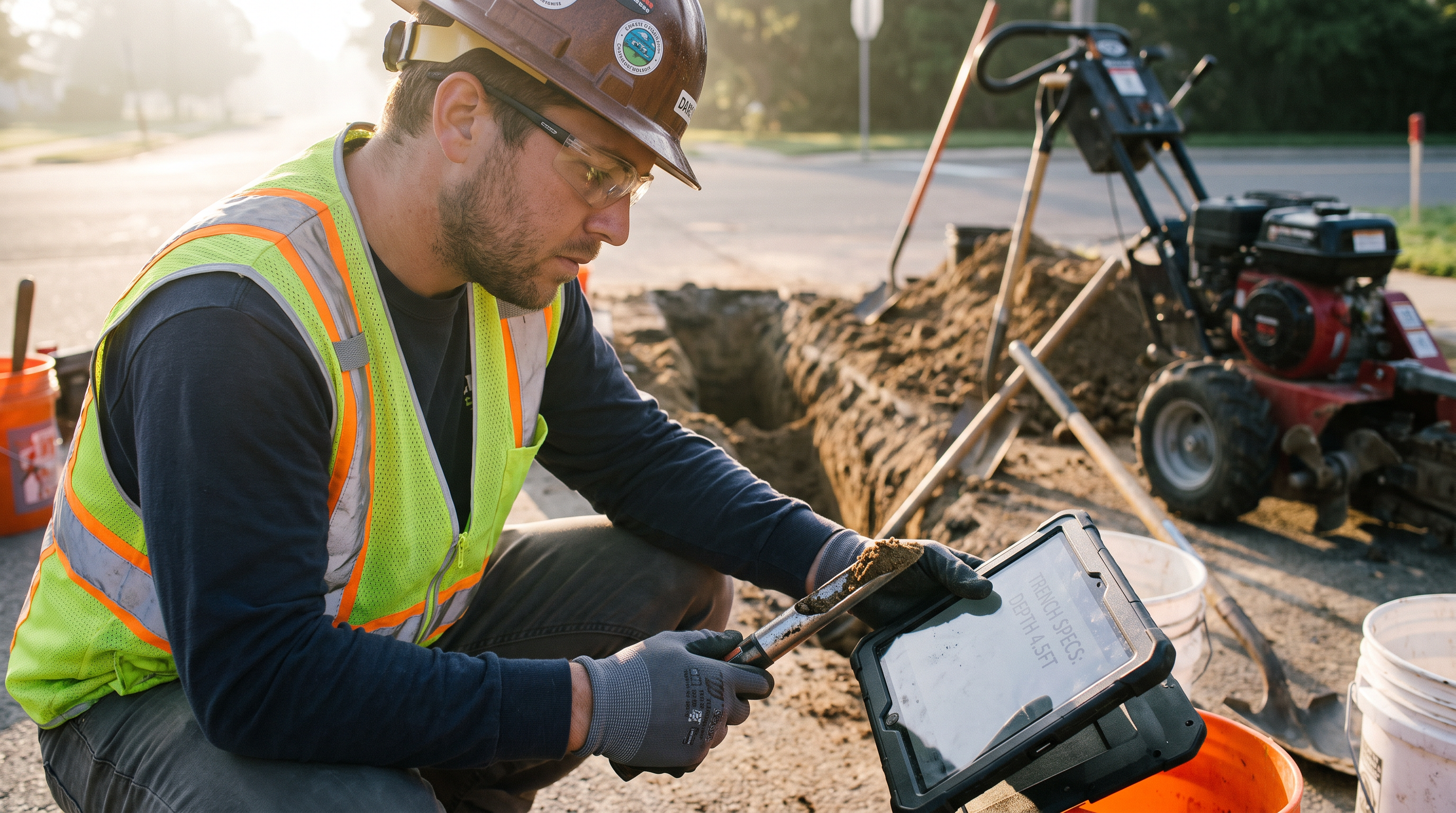
"Learn how to rent the right trencher for your 24-inch deep electrical trench in 2026. Follow our expert guide to choose the perfect equipment for your job."
Related reading: How to Rent Storm Cleanup Equipment After a Hurricane in 2026, How to Rent and Set a Commercial Generator in 5 Steps, and Rent vs. Buy a Skid Steer: Is Ownership Worth It for 10 Uses a Year in 2026?.


Get the latest GoDizel content delivered straight to your inbox
Learn how to rent storm cleanup equipment effectively in 2026. Follow our guide to secure essential restoration tools and prevent long-term property damage.
Learn how to rent and set a commercial generator for your site. Follow our 5-step guide to calculating loads, choosing equipment, and ensuring safe power.
Before you price a single machine, define the trench. Confirm your required cover depth against NFPA 70 (the National Electrical Code), Article 300.5, which governs minimum burial depth for underground wiring methods. Depth changes based on the wiring method, the raceway type, and what's above the trench — driveway, slab, or open dirt. Get the number signed off by the electrician of record before the equipment shows up, not after.
Then walk the site and log these:
Soil type. Sandy or loamy ground cuts fast; heavy clay and rock demand more torque and a tracked undercarriage for traction.
Trench width. Standard electrical conduit runs typically call for a 4-inch or 6-inch chain, depending on conduit diameter and how many runs share the trench.
Existing utilities. Call 811 and mark everything before the chain turns.
Access constraints. Measure gate widths, side-yard pinch points, and slope. A machine that can't reach the dig line is a wasted rental day.
Compliance is set at the design stage. The trencher only executes the spec you've already verified.
For a 24 inch deep electrical trench, the class of machine matters more than the badge. Target a mid-size walk-behind unit in the 11–16 HP range. Anything under 10 HP will bog in compacted soil at that depth, stall repeatedly, and burn a full day on a run that should take two hours. Skid-steer attachments are overkill on residential and light commercial lots and won't clear a standard gate.
Prioritize tracked units over wheeled units. Tracks hold a line on wet clay and slopes where a wheeled machine spins and wanders off the layout. Proven options in this class include the Ditch Witch C16X and the Toro TRX — both are widely stocked in rental fleets, and a tracked walk-behind trencher in this configuration is the default professional choice for shallow utility work.
Two checks before you commit:
Verify the machine's maximum digging depth exceeds your target depth, so loose spoil falling back doesn't leave you short.
Confirm the unit has a functioning hydraulic oil cooler if you're digging through peak summer heat.
Calling five yards to ask "what's your trench digger rental rate" wastes an afternoon and still leaves you guessing on delivery. Search a digital marketplace instead. Enter the jobsite ZIP and your dates, then compare real-time availability across local yards on one screen — including the walk-behind trencher models that actually fit your access constraints.
Two line items decide the real cost: all-in pricing and chain width. Demand a quote that includes delivery, pickup, and environmental or fuel fees up front, and confirm in writing that the unit ships with the 4-inch or 6-inch chain your conduit requires. A machine delivered with the wrong chain is a lost day.
Daily
Weekly
Monthly
Best for runs under 50 feet in easy soil
Best value for 30-foot-plus runs, rock, or multi-trench scopes
Only worth it on phased utility work across several weeks
Highest per-hour cost; weather delays hurt
Buffers rain days and inspection holds at no added rate
Lowest per-day rate; ties up the asset
Compliance is proven with a tape measure, not a rental receipt. Work the dig in this order:
Stake and paint the trench line from your marked utility locates, leaving the required clearance from existing services.
Set the depth control about 2 inches past your target — a 26-inch setting yields a clean 24-inch floor once crumbs and spoil fall back in.
Lower the boom into the ground at a steady feed rate with the machine parked square to the line, letting the chain establish full depth before you advance.
Maintain a consistent travel speed. Pushing too fast makes the chain climb out of the cut and leaves a shallow, wavy floor that fails inspection.
Clean the trench bottom with a trench shovel so conduit or cable beds flat with no high spots.
Measure and photograph the depth at multiple points along the run before backfill, with the tape visible in the frame.
Pro Tip: Keep the photo log and locate tickets in the same project folder. Inspectors accept documented depth far faster than a re-dig.
The short version for the field, if you're deciding which trencher should go on the ticket:
Machine class: Rent a 13–16 HP tracked walk-behind trencher for 24-inch electrical runs. It carries the torque for full depth and still fits through a standard gate.
Compliance: Verify burial depth against NEC Article 300.5 for every underground conduit run, and confirm it with the electrician of record before the trencher rental starts.
Procurement: Compare specs, chain width, and all-in delivered pricing digitally rather than calling yards one at a time — that's the whole point of searching a Ditch Witch rental or Toro unit by availability and spec instead of by phone tree.
Execution: Set the depth control roughly 2 inches deeper than the requirement so spoil fallback doesn't leave you short of code.
Know the spec, then buy it efficiently. Search Dizel by ZIP and date to see the real rental price before you make a single call.

