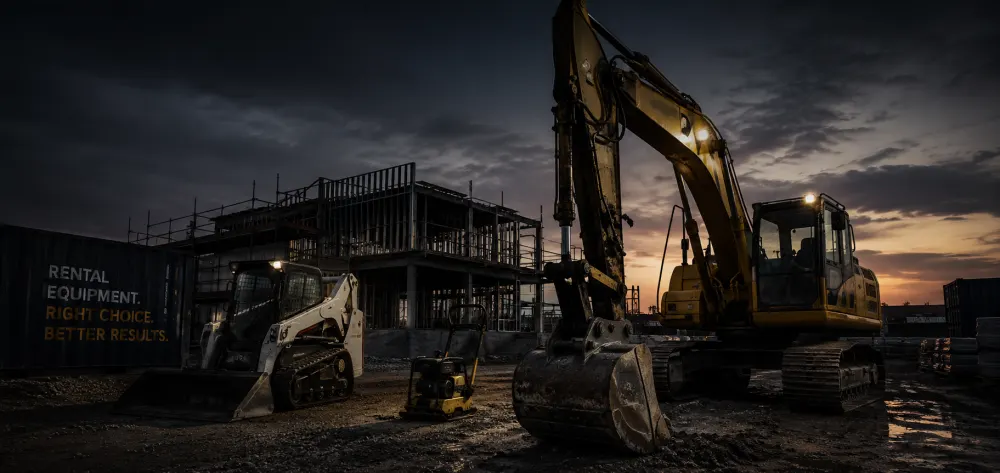
"Choose the ideal rental equipment for any project by considering worksite, duration, and safety. Maximize productivity with expert equipment rental guidance."
Related reading: Choosing Between a Scissor Lift and a Boom Lift for Your 2026 Project, How to Rent the Right Lift for Warehouse Security Camera Installation, and How to Streamline Equipment Procurement for Multiple Job Sites Without Managing Separate Rental Agreements.


Get the latest GoDizel content delivered straight to your inbox
Struggling to choose between a scissor lift and a boom lift? Learn the key differences to pick the perfect aerial lift for your 2026 construction project.
Learn how to rent the right lift for warehouse security camera installation in 2026. Compare scissor and boom lifts to meet OSHA safety requirements.
When the job depends on the right tools, guessing can cost time, money, and momentum. Whether you are tackling a home improvement project, managing a jobsite, maintaining a property, or preparing for seasonal work, choosing the right rental equipment helps you work more efficiently without buying machinery you may only need once.
A reliable local equipment rental partner can help match the right machine or tool to your project, timeline, workspace, and experience level. Before you reserve anything, it helps to know what to look for, what questions to ask, and how to compare your options.
Before looking at specific equipment, define the job as clearly as possible. The more details you have, the easier it is to choose equipment that fits the work instead of overpaying for something too large or struggling with something too small.
Consider:
For example, a small backyard project may only require compact tool rental options, while a larger landscaping or construction job may call for heavier equipment. Matching the equipment to the size and conditions of the project helps reduce downtime and keeps the work safer.
The right machine is not only about power. It also has to fit where you need to use it. A piece of equipment may be capable of doing the job, but if it cannot safely access the area, turn around, operate on the surface, or meet site restrictions, it may create more problems than it solves.
Before renting, think about the worksite conditions:
If you are unsure, describe the site to the rental team. A local equipment rental provider can often recommend a better fit based on common jobsite challenges in your area.
Rental costs often depend on how long you need the equipment. While it may be tempting to reserve equipment for the shortest possible period, rushing the work can lead to mistakes or incomplete results. On the other hand, keeping equipment longer than necessary can add avoidable cost.
Plan your rental around your actual schedule, including setup, operation, cleanup, and possible delays. If your project depends on weather, crew availability, permits, deliveries, or inspections, build in enough flexibility.
Helpful timing questions include:
Good planning helps you get the most value from your rental equipment and prevents last-minute schedule conflicts.
Even familiar tools can have specific operating requirements. Larger equipment may require extra care, proper positioning, safety gear, or operator experience. A quality rental provider should explain the basics, review safety considerations, and make sure you are comfortable before you leave or before equipment is delivered.
Ask about:
Never rent equipment you do not feel prepared to operate safely. If a project requires specialized skills, it may be better to hire a qualified operator or contractor rather than attempt the work yourself.
Well-maintained rental equipment can make a major difference in productivity. Before accepting any rental, check the general condition and ask whether the equipment has been inspected. Reputable rental companies maintain their inventory, address wear and tear, and provide support if something does not perform as expected.
Before you start the job, look for:
If anything looks wrong, ask before using it. It is better to resolve concerns upfront than to discover an issue halfway through the project.
The equipment itself is only part of the rental. Many jobs require attachments, blades, bits, hoses, cords, trailers, safety gear, or other accessories. Missing one small item can delay the entire project.
When booking your equipment rental, explain exactly what material you are working with and what result you need. A concrete project, lawn renovation, demolition task, painting job, or flooring installation may each require different add-ons.
Common accessories may include:
A complete rental setup saves extra trips and helps the job move smoothly from start to finish.
Some tool rental items are easy to carry in a vehicle. Larger rental equipment may require a trailer, truck, loading assistance, or professional delivery. Before reserving, confirm the size, weight, and transportation requirements.
If delivery is available, it can be worth it for heavier equipment or busy jobsites. Professional delivery helps ensure the equipment arrives where and when you need it, reducing the burden on your crew or household.
Ask about:
Planning transportation early prevents delays on rental day and helps avoid damage to your vehicle, driveway, or property.
The lowest rental price is not always the best value. Consider the condition of the equipment, included accessories, service support, rental flexibility, and the knowledge of the team helping you. A slightly better machine or more helpful rental partner can save hours of frustration.
When comparing options, look beyond the daily rate. Ask what is included, what may cost extra, and what policies apply if your project changes. Clear pricing and responsive service are especially important when deadlines matter.
A local equipment rental company can provide practical guidance based on the kinds of projects common in your community. Whether you are a homeowner, contractor, landscaper, facility manager, or property owner, working with a knowledgeable team makes it easier to choose the right equipment the first time.
Local support can help with:
Instead of sorting through options alone, you can rely on experienced rental professionals to narrow the choices and help you stay on schedule.
The best rental choice starts with a clear project plan, an honest look at your worksite, and guidance from a team that understands equipment. From small tool rental needs to larger jobsite equipment, the right rental partner can help you work smarter, safer, and more efficiently.
If you are preparing for an upcoming project, contact your local equipment rental team to discuss your goals, timeline, and site conditions. They can help you compare options, confirm availability, and reserve the rental equipment that fits your job.

